
Exterior Wall Cladding Materials for Modern Buildings
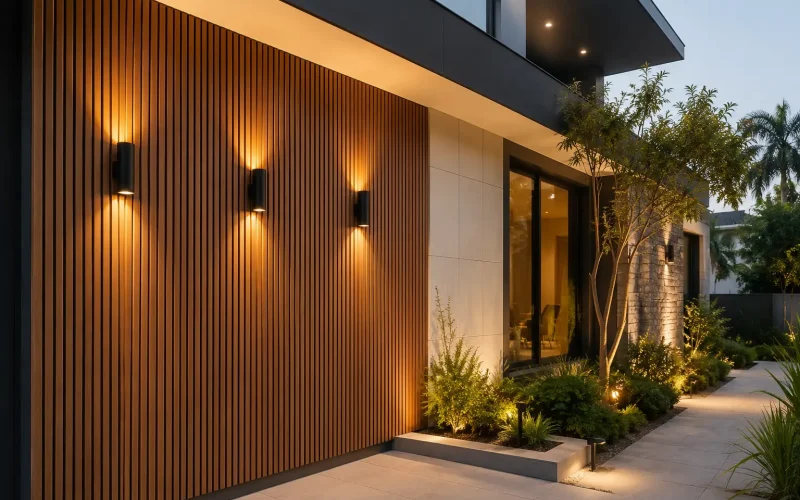
From natural wood finishes to advanced composite materials, there are numerous options available for modern building exteriors. In this article, we explore some of the most popular exterior cladding materials used in residential, commercial, hospitality, and institutional projects.
Exterior wall cladding plays an important role in defining a building’s architectural appearance. From contemporary villas and premium residences to commercial buildings, hotels and hospitality spaces, the right cladding material can add texture, visual depth and a distinctive finish to a facade.
Lux Line Co offers premium flooring and surface solutions for architects, interior designers, builders, developers and property owners in Hyderabad and surrounding areas.
Popular exterior cladding options include Thermo Pine, WPC cladding and selected hardwood products such as IPE, Ash, Oak and Ayous, subject to availability and project specifications.
In this guide, we explore the features, applications and selection considerations for different exterior cladding materials to help you make an informed decision for your project.
What Is Exterior Wall Cladding?
Exterior wall cladding is a finishing system installed over a building’s exterior wall. Depending on the material and installation system, it can enhance the appearance of a facade and provide an additional protective layer against environmental exposure.
Cladding is available in different materials, colours, textures, profiles and finishes. The right choice depends on the architectural design, weather exposure, maintenance expectations, installation requirements and budget.
Important: Cladding is not a substitute for proper waterproofing or structural design. The supporting framework, drainage, ventilation, fixings and wall assembly must be suitable for the selected product.
Benefits of Exterior Wall Cladding
1. Enhances Architectural Appearance
Cladding introduces texture, colour and depth to exterior walls. Natural timber and wood-look finishes can complement modern, minimalist and traditional architectural designs.
2. Creates Distinctive Facades
Different cladding materials and installation patterns can create feature walls, entrance elevations, balcony details, soffits and architectural accents.
3. Helps Manage Environmental Exposure
A correctly designed cladding system can help shield the underlying wall from some direct environmental exposure. Its actual performance depends on the product, detailing, installation and maintenance.
4. Offers Design Flexibility
Cladding is available in a range of colours, textures, profiles and dimensions, allowing designers to coordinate exterior finishes with windows, doors, landscaping and other architectural elements.
5. Supports Project-Specific Material Selection
Different cladding materials have different performance characteristics and maintenance requirements. Comparing specifications and installation costs helps you choose a solution suited to your building.
Top Exterior Cladding Materials for Modern Buildings
1. Thermo Pine Wood Cladding
Thermo Pine is pine timber that has undergone a thermal modification process. This process can improve dimensional stability and change the wood’s response to moisture, depending on the treatment and product specification.
Thermo Pine offers a natural timber appearance that complements contemporary architecture and premium outdoor spaces.
Key features
Natural timber grain and warm appearance.
Thermally modified wood characteristics.
Available in different profiles and finishes, depending on the product.
Suitable options for specified exterior facade applications.
Requires appropriate installation detailing and maintenance.
Suitable applications
Villa elevations.
Residential facades.
Selected balcony and soffit applications.
Outdoor feature walls.
Hospitality and landscape structures.
Thermo Pine remains natural timber and may require periodic inspection and maintenance. Confirm the product’s exterior-use rating, finish, ventilation and fixing requirements before installation.
2. Ash Wood Cladding
Ash wood is known for its distinctive grain and natural appearance. Depending on the species, treatment and finish, it can complement contemporary and premium architectural designs.
Thermally modified Ash may be considered for selected exterior applications when the product has the appropriate specification.
Key features
Distinctive natural grain.
Contemporary timber appearance.
Options for different colours and finishes.
Can complement stone, metal and glass facade elements.
Performance depends on the species, treatment and installation.
Suitable applications
Premium residential facades.
Architectural feature walls.
Selected hospitality projects.
Commercial design features.
Contemporary building elevations.
Before specifying Ash for exterior use, verify the product’s treatment, durability classification and recommended installation details.
3. Oak Wood Cladding
Oak is a hardwood known for its prominent grain and natural character. Its appearance varies according to species, cut, finish and environmental exposure.
Oak cladding can be considered for projects seeking a distinctive timber finish.
Key features
Pronounced natural grain.
Variations in colour and texture.
Classic or contemporary appearance, depending on the design.
Different finish options, depending on availability.
Requires appropriate exterior detailing where used outdoors.
Suitable applications
Selected residential facades.
Architectural entrance features.
Feature walls.
Hospitality projects.
Premium design-led buildings.
The suitability and service life of Oak cladding depend on the particular timber, treatment, coating, exposure and maintenance. Do not assume every Oak product is suitable for every exterior environment.
4. WPC Exterior Cladding
Wood Plastic Composite (WPC) cladding is manufactured using a combination of wood-based material and polymer. It provides a wood-inspired appearance in a range of colours and profiles.
WPC is an option for projects seeking a composite alternative to natural timber.
Key features
Wood-inspired textures and finishes.
Available in different colours and profiles, depending on the manufacturer.
Maintenance requirements differ from natural timber.
Some products do not require routine timber polishing, although cleaning and inspection remain necessary.
Expansion, ventilation and fixing requirements must be followed.
Suitable applications
Selected residential facades.
Exterior feature walls.
Balcony elevations.
Commercial facade accents.
Architectural landscape features.
WPC products vary in composition and performance. Check the selected product’s UV stability, temperature behaviour, fire performance, outdoor-use rating and installation instructions before specifying it.
5. IPE Hardwood Cladding
IPE is a dense hardwood used in selected exterior architectural applications. Its natural grain and rich appearance can complement premium facade designs.
Key features
Dense hardwood construction.
Distinctive natural timber appearance.
Product options for selected exterior applications.
Can complement contemporary architectural finishes.
Requires suitable fixing, ventilation and maintenance detailing.
Suitable applications
Premium residential facades.
Exterior feature walls.
Selected hospitality projects.
Architectural accents.
Projects seeking a natural hardwood finish.
Performance depends on timber grade, product condition, installation and environmental exposure. Confirm the specification and responsible sourcing documentation where relevant.
6. Ayous Wood Cladding
Ayous is a relatively lightweight timber that can be considered for selected architectural cladding systems. Thermally modified Ayous may be suitable for particular exterior applications when correctly specified.
Key features
Relatively lightweight timber.
Natural grain and clean appearance.
Options for contemporary linear profiles.
Can support modern facade designs.
Requires appropriate treatment and installation.
Suitable applications
Contemporary facades.
Vertical cladding designs.
Architectural screening features.
Soffits and accent areas where specified.
Custom facade projects.
Confirm that the particular Ayous product is treated and rated for the intended exterior exposure before installation.
Which Exterior Cladding Material Should You Choose?
The right material depends on the building design, project budget, environmental conditions, maintenance expectations and technical requirements.
| Material | Appearance | Main considerations |
|---|---|---|
| Thermo Pine | Natural timber | Treatment, coating and maintenance |
| Ash wood | Distinctive timber grain | Treatment and exterior suitability |
| Oak wood | Prominent hardwood grain | Exposure, finish and detailing |
| WPC cladding | Wood-inspired finish | Product quality, expansion and UV performance |
| IPE hardwood | Rich natural hardwood | Specification, sourcing and installation |
| Ayous wood | Light, contemporary timber | Treatment and exterior-use rating |
There is no single best material for every project. Compare the product specification, installation system, maintenance requirements and complete installed cost before making your selection.
How to Choose the Right Exterior Cladding
Consider the Building Design
Choose a material and finish that complements the architecture, window frames, doors, surrounding landscape and other exterior surfaces.
Assess Sunlight and Rain Exposure
Different elevations experience different environmental conditions. Sunlight, rainfall, humidity and prevailing winds can influence material selection and installation details.
Check the Fixing System
The supporting framework, fasteners, substrate, ventilation cavity and drainage details must be suitable for the selected cladding material and building design.
Understand Maintenance Requirements
Natural timber and composite products have different care requirements. Review the manufacturer’s guidance for cleaning, coatings, inspection and replacement of damaged components.
Compare the Complete Project Cost
Material price is only one part of the project. The final quotation may include the supporting framework, fasteners, surface preparation, installation, access equipment, transportation and applicable taxes.
Review Technical Requirements
For larger or multi-storey projects, coordinate the cladding system with the architect, facade consultant and relevant building professionals. Fire performance, wind loads, waterproofing and fixing design should be evaluated for the specific project.
Exterior Cladding Applications
Modern Villas and Luxury Residences
Timber and wood-look cladding can introduce texture and contrast to a villa elevation. Select a product according to the architectural design and exterior exposure.
Commercial Buildings
Cladding can help establish a consistent visual identity for offices, retail buildings and other commercial properties. Performance, maintenance access and project specifications should guide the choice.
Hotels and Hospitality Projects
Exterior feature walls and selected facade elements can contribute to the character of hotels, resorts and hospitality spaces. Product selection should reflect the site’s exposure and maintenance requirements.
Balconies and Soffits
Cladding can be used on suitable balcony elevations, soffits and covered exterior areas. The product and fixing system must be appropriate for the location.
Architectural Feature Walls
Contrasting cladding materials can create focal points at entrances, boundary features and selected exterior wall sections.
Exterior Cladding Solutions in Hyderabad
Lux Line Co provides premium flooring and surface solutions for architectural and building projects in Hyderabad, Secunderabad and surrounding areas.
We work with homeowners, architects, interior designers, builders, developers and contractors to help explore surface materials for their projects.
To discuss an exterior cladding requirement, please share:
Project location.
Building type and intended application.
Approximate cladding area.
Preferred material or design reference.
Site photographs or architectural drawings, if available.
Project timeline and budget range.
These details help establish the product requirements and the next steps for a project-specific quotation.
Frequently Asked Questions About Exterior Cladding
What is the best material for exterior wall cladding?
The best material depends on the building design, environmental exposure, budget, maintenance expectations and technical requirements. Thermo Pine, WPC and suitable hardwood products can be considered for particular applications, subject to their specifications.
Is wooden cladding suitable for Indian weather?
Some timber cladding products are designed for exterior applications, but suitability depends on the species, treatment, coating, installation detailing and local exposure. Proper ventilation, drainage and maintenance are important.
What is the difference between wooden cladding and WPC cladding?
Wooden cladding uses natural timber with characteristic grain and natural variations. WPC combines wood-based material and polymer to create a composite product. Their appearance, maintenance, expansion and environmental performance vary by product.
Does exterior cladding prevent water leakage?
Cladding alone does not guarantee waterproofing. The wall assembly requires suitable waterproofing, flashing, drainage, joints and installation detailing to manage water correctly.
Does exterior wood cladding require maintenance?
Yes. Natural timber generally requires periodic inspection and may need cleaning, coatings or other maintenance depending on the product and exposure. Follow the manufacturer’s recommendations.
How much does exterior cladding cost in Hyderabad?
The price depends on the material, profile, thickness, quantity, supporting framework, fixing system, installation complexity, transportation and applicable taxes. Contact Lux Line Co for a project-specific quotation.
Can cladding be used on commercial buildings?
Yes, suitable cladding systems can be used on commercial buildings when the product and installation system meet the project’s design and technical requirements. Fire performance, wind loads and fixing details should be reviewed where applicable.
How can I request an exterior cladding quotation?
Contact Lux Line Co with your project location, approximate area, preferred material and photographs or drawings if available. These details will help begin the product-selection and quotation process.
Explore Exterior Cladding with Lux Line Co
Planning an exterior facade for a villa, commercial building, hotel or architectural project?
Lux Line Co can help you explore suitable cladding materials, finishes and product options based on your design preferences and project requirements.
Contact Lux Line Co to discuss your exterior cladding project and request a quotation.
Lux Line Co — Premium Flooring and Surface Solutions.
Product availability, specifications, installation scope and pricing should be confirmed for each project.